Amazing things

During their in reign India, the Dutch established in Surat a warehouse on Dutch Road, in which five parsee gentlemen were employed to make breads. When the Dutch left India at the end of their rule they handed over their ovens to one of our ancestors Mr. Faramji Pestonji Dotivala. Faramji continued to supply breads to the remaining colonials.

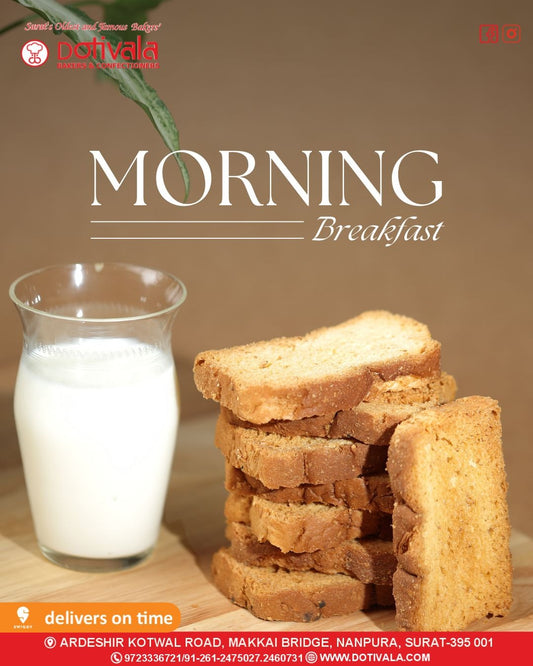
As time went by, the business went slack and the breads were left unsold. Bread dough in those days was fermented with toddy (sap of palm tree) so it would not spoil for considerable amount of time. However the breads would become dry due to loss of moisture. The leftover dried breads were sold cheap, which gained considerable popularity due to their lightness and crispy texture. The demand increased so the breads had to be dried in the ovens specially to achieve the desired dryness and texture. They were also shaped differently. Even today these biscuits are made and are very popular, and are known as Irani biscuits.

Doctors used to recommend these biscuits to the patients and hence the popularity of those biscuits increased. They were low in calorie value and were easily digestible. Once the patients regained their strength the doctors advised them to eat biscuits with fat so the biscuits were made using excess shortening. These biscuits are today known as the famous Farmasu Surti Batasa or Butter Biscuits. In those days the locals used to make a sweet called "Dal". Our ancestors baked the "Dal" and the now famous Nankhatai was invented.

Due to the unavailability of the modern day margarine, pure ghee was used. This was available from local villages and used to come in leather containers. There were no flour mills in those days and hence the wheat had to be kept in big wooden store rooms sealed with cow dung to avoid germs and was milled in house on manual grinding stones (hand chaks) by ladies. The flour obtained was not refined flour. The coarse flour was sieved through muslin to separate the germ and bran. Refined flour and semolina were obtained.

When India got independence, prohibition was introduced in the state of Gujarat. The use of toddy was banned since it was alcoholic in nature. We then had to use a fermenting agent made of hops and potatoes. This served the purpose of fermentation but the taste and the texture obtained from toddy was lost.

At that time there used to be three bakeries in Surat owned by the parsees. Others started bakeries later by giving bigger incentives to our trained men. The number of bakeries soon multiplied and our monopoly was lost. Being the pioneers of this industry we have survived over two centuries and six generations due to our emphasis on high production standards and excellent quality and long term straight forward dealings.

The Batasa Story - Jamshed & Cyrus Dotivala

My father Mr. Jamshed Peshotan Dotivala is the Fifth inline to own this business and I am the sixth in line. Exact year of inception is not known but we have been doing business in the current premises since the year 1861.
Our forefathers had only one point principle while doing business and that was “Maintaining High Standards of Quality”.
This ensured that our customers always got the best. Later on generations also concentrated on innovations. Bringing in new products and keeping up with new trends. Ethical and honest in our dealings, we have managed to survive six generation and God willing will continue further.

United by Family, Driven by Quality

Our family has always been a very united family. In the old days all the brothers and cousins lived together as a joint family. Went to the same school and later shifted to where ever their career took them. The main reason for survival of our business has always been the passion that our forefathers had to sell high quality products to our customers. There was a sense pride to own and run this business and every generation had one member of the family ready to take over the business.

From Our Oven to Your Heart Since 1861

Since 1861, we've been delighting customers with the irresistible aroma of fresh baking and unforgettable flavors that bring families and friends together. Whether it's your daily bread, a special celebration cake, or a sweet indulgence, every bite reflects our rich heritage, exceptional craftsmanship, and promise of freshness. Thank you for making us a cherished part of your moments for over a century.

Where Surat's Baking Tradition Began

Dotivala Bakers & Confectioners is a proud symbol of Surat's rich baking heritage. Established in 1861, it is widely recognized as Surat's oldest bakery and is celebrated as the inventor of the iconic Nankhatai. For over 165 years, the Dotivala family has preserved traditional recipes, exceptional craftsmanship, and an unwavering commitment to quality. From the legendary Pure Ghee Nankhatai and Surti Batasa to freshly baked breads, biscuits, cakes, and pastries, every product reflects a legacy of authenticity, taste, and tradition that has been cherished across generations.

All Prodcuts

1 + Years

Legacy of Baking

Preserving Surat's rich Parsi baking heritage with timeless recipes since the Dutch era.

1 Generations

Family Tradition

Six generations of passion, craftsmanship, and authentic baking excellence.

Authentic

Premium Ingredients

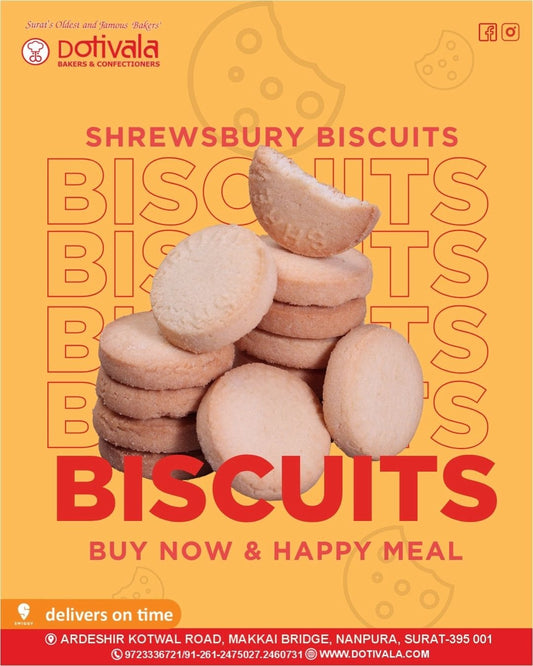
Every biscuit is crafted using carefully selected ingredients to deliver unmatched taste and quality.